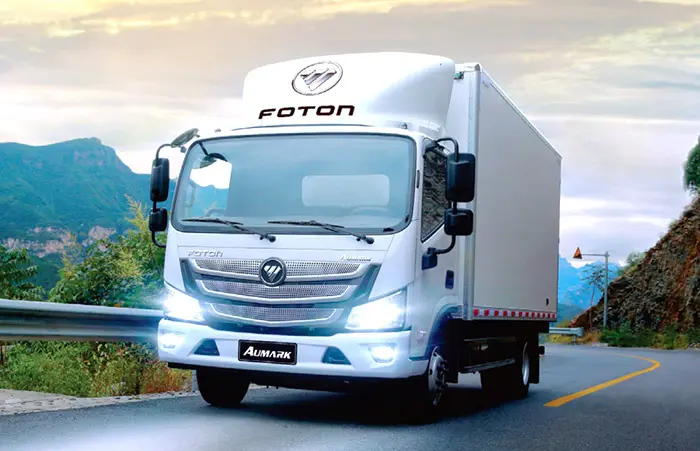
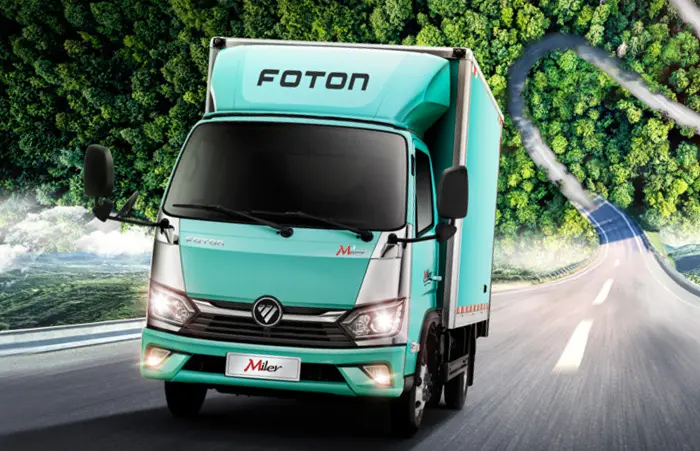
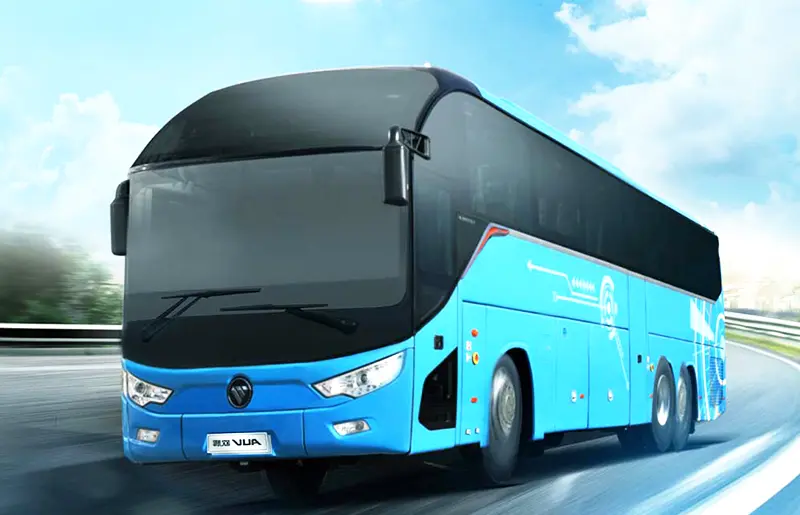
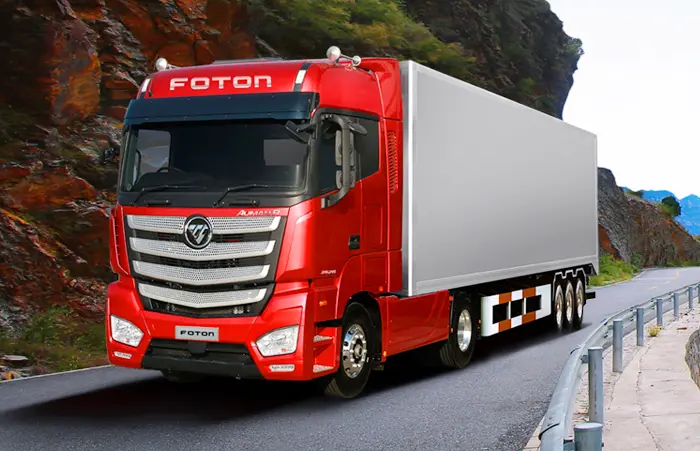
FOTON CAVAN BEACON brings a new approach to heavy-duty electric transport. Developed for demanding commercial applications, it combines megawatt charging technology, long driving range, and lightweight vehicle design. These features aim to make electric trucks more practical for long-distance logistics.
As the commercial vehicle industry moves toward electrification, charging time and operating efficiency remain major concerns. The CAVAN BEACON addresses these challenges with a maximum charging power of 1.44 MW. Its electric version also offers a driving range of up to 600 km, providing another option for fleets exploring zero-emission transport.
Charging speed plays an important role in heavy-duty electric transport. Long charging stops can affect delivery schedules and reduce vehicle utilization. The FOTON CAVAN BEACON is designed to address this issue with megawatt-level charging technology.
The truck supports a maximum charging power of 1.44 MW. Its battery can charge from 20% to 80% in around 18 minutes. According to FOTON, a six-minute charge can add approximately 100 km of driving range.
This charging performance could help operators reduce downtime during suitable charging stops. It also offers greater flexibility when planning long-distance routes. Actual charging times will depend on charging infrastructure, battery conditions, and operating conditions.

Driving range is another important factor for electric heavy-duty trucks. The FOTON CAVAN BEACON offers an electric range of up to 600 km. This capability supports a range of transport applications, including regional distribution and selected long-haul routes.
A longer driving range can reduce the need for additional charging stops. When combined with megawatt charging, it may also help fleet operators plan more efficient schedules. Route length, payload, road conditions, and driving style will affect the range achieved in daily use.
For logistics companies considering electric trucks, these factors matter as much as the headline range. Charging access and daily mileage should be assessed together. The CAVAN BEACON combines these considerations in a platform designed for commercial transport.
Vehicle weight and aerodynamic resistance directly affect the efficiency of heavy-duty trucks. FOTON has focused on both areas in the CAVAN BEACON’s design. The aim is to improve energy efficiency while maintaining the capabilities required for commercial operations.
According to FOTON, the truck’s lightweight design reduces vehicle weight by more than 500 kg. Its aerodynamic design achieves a drag coefficient of 0.28. FOTON states that these improvements help reduce energy consumption by 15%.
Lower vehicle weight can support payload efficiency, depending on the truck configuration and applicable regulations. Improved aerodynamics can also reduce energy losses during highway driving. Together, these design features support the CAVAN BEACON’s focus on efficient heavy-duty transport.
Different transport routes can require different energy solutions. Battery-electric trucks can suit operations with suitable charging access and predictable schedules. Hydrogen fuel cell trucks may offer another option for routes where fast refueling and longer operating distances are priorities.
The FOTON CAVAN BEACON platform also includes a hydrogen fuel cell version. FOTON reports a refueling time of around 15 minutes. The hydrogen version can achieve a driving range of up to 1,000 km.
These figures provide fleet operators with additional points for comparison. The most suitable option depends on route requirements, vehicle utilization, energy costs, and infrastructure availability. Both energy pathways are part of the wider transition toward lower-emission commercial transport.
Commercial trucks must deliver reliable performance over extended periods. Fleet operators also need to consider maintenance requirements, component durability, and long-term operating costs. These factors influence the total cost of ownership throughout a vehicle’s service life.
FOTON reports a B10 life exceeding 1.6 million km for the fuel cell system and e-axle. The B10 figure indicates the mileage by which 10% of a defined component population may have reached the specified failure threshold, under the relevant test conditions. FOTON also states that its 677 kWh battery modules have a designed service life exceeding 2 million km.
These figures highlight the durability targets of the CAVAN BEACON platform. They are manufacturer-reported specifications rather than a guarantee of service life for every vehicle. Actual results will depend on operating conditions, maintenance practices, charging or refueling patterns, and vehicle configuration.

The FOTON CAVAN BEACON combines several features relevant to the electrification of heavy-duty transport. Its 1.44 MW charging capability targets shorter charging stops. Its electric range of up to 600 km supports a variety of transport schedules. Lightweight engineering and aerodynamic optimization further focus on energy efficiency.
The hydrogen fuel cell version expands the available energy options. Its reported range of up to 1,000 km may be relevant to operations that require longer distances between energy stops. However, fleet operators should evaluate hydrogen availability and operating costs before choosing this configuration.
Selecting an electric heavy-duty truck requires more than comparing specifications. Businesses should consider route profiles, payload requirements, charging or refueling access, energy prices, and expected annual mileage. These factors help determine whether a particular vehicle can meet real operating needs.
The CAVAN BEACON reflects FOTON’s approach to the changing requirements of commercial transport. Megawatt charging, extended driving range, and lightweight design address several practical challenges facing electric trucks. The addition of a hydrogen fuel cell option provides further flexibility for different operating scenarios.
For logistics companies exploring new-energy heavy-duty vehicles, the CAVAN BEACON is a model worth evaluating. Its technical specifications offer a starting point for comparing charging performance, route coverage, and long-term operating requirements. As charging and hydrogen infrastructure develops, these factors will play an increasingly important role in fleet decisions.